Fasting is not just about staying away from food and drink. It is a powerful lesson in self-control.
From dawn to sunset, Muslims voluntarily give up what is normally permissible — eating, drinking, and even intimate comforts — purely for the sake of Allah. No one forces us. No one monitors us constantly. Yet we abstain.
Why?
Because fasting trains the heart before it trains the body.
Self-Control Begins With Intention
The moment we wake up for suhoor, we make a choice. A conscious decision to obey Allah, even when it is difficult.
Fasting teaches us that self-control begins internally:
- You resist eating even when you are hungry.
- You avoid drinking even when you are thirsty.
- You stay patient even when you feel irritated.
It builds inner strength — the ability to say “no” to desires and “yes” to discipline.
Fasting Teaches Emotional Control
Hunger can make people irritable. Thirst can test patience. Yet fasting calls us to rise above these feelings.
The Prophet ﷺ taught that if someone argues with you while fasting, you should respond calmly and say, “I am fasting.”
This shows that fasting is not only about physical restraint — it is about controlling:
- Anger
- Harsh words
- Gossip
- Negative reactions
True self-control is measured not by how we act when comfortable, but how we behave when tested
Discipline in Small Things Leads to Big Change
When you can control basic needs like food and drink, you begin to realize something powerful:
If I can control my hunger, I can control my habits.
If I can control my thirst, I can control my temper.
If I can control my desires, I can control my actions.
Fasting strengthens willpower — and that strength carries into the rest of our lives.
Self-Control Builds Taqwa
The ultimate goal of fasting is Taqwa — consciousness of Allah.
When you fast, you are aware that Allah sees you, even when no one else does.
You could secretly drink water.
You could quietly break your fast.
But you don’t — because self-control rooted in faith is stronger than temptation.
This awareness transforms character.
Fasting and Compassion Go Together
Self-control is not only about restraint. It is also about redirecting your energy toward goodness.
When you feel hunger, you remember those who feel it daily.
When you feel thirst, you think of families without clean water.
When you wait for iftar, you think of those who have nothing to break their fast with.
Fasting softens the heart and builds compassion.
And compassion leads to action
Turn Self-Control Into Generosity
The discipline you build through fasting should inspire generosity.
If you can control your desires, you can give from your blessings.
If you can sacrifice comfort for Allah, you can sacrifice a portion of your wealth to help others.
Self-control is not just about holding back — it is about stepping forward to do good.
Turn Your Fast Into Action
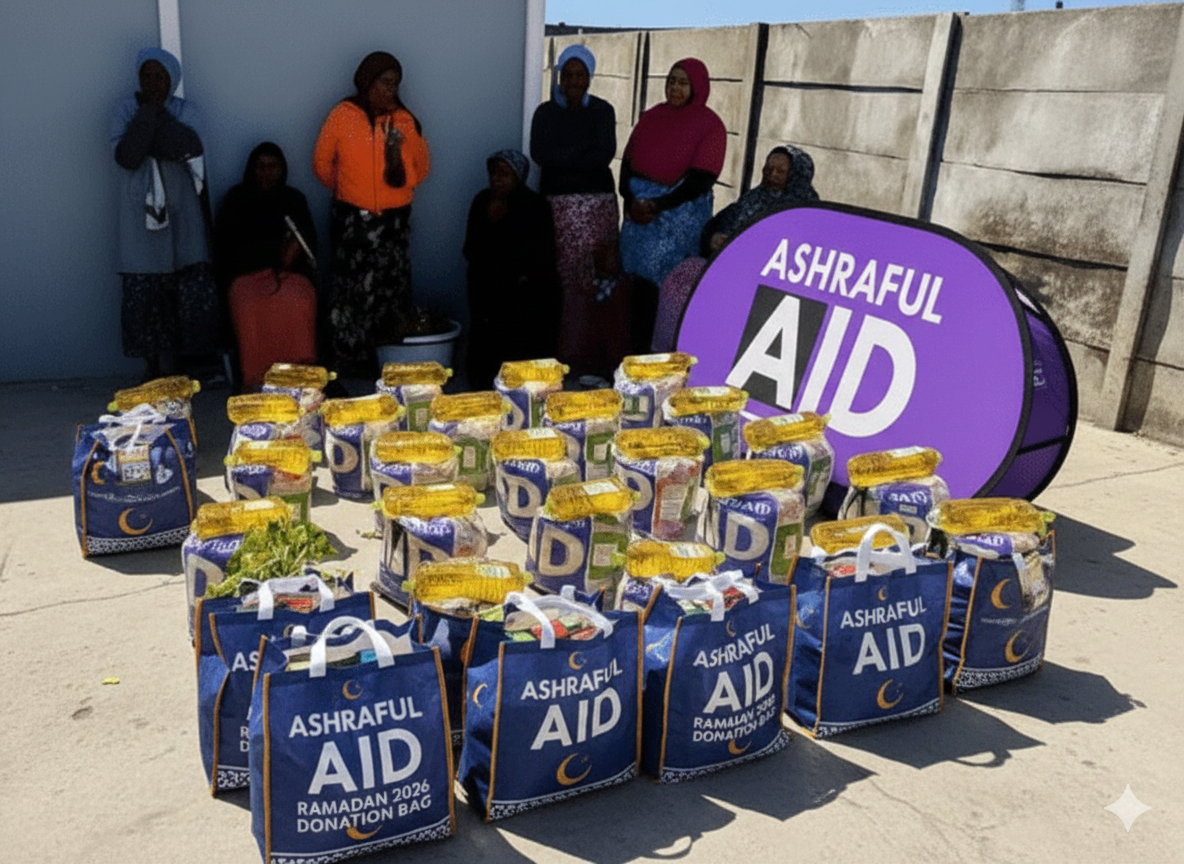
This Ramadan, fulfill the true purpose of fasting by supporting families in need.
Donate today at AshrafulAid
Your charity can provide food parcels, iftar meals, and essential support to those who need it most.
Let your fasting be a means of mercy.
May Allah accept your fasting, your prayers, and your generosity. Ameen.
Make your Ramadan Count
Feed Families
Share Blessings
Develops Gratitude
Give Zakat
Spread Mercy
Fast with purpose. Give with sincerity.
This Ramadan, be someone’s hope at Iftar.