There is something special about the quiet moments before Fajr.
The world is asleep. The streets are silent. The sky is still dark.
And in that peaceful stillness, a believer wakes up — not for work, not for school, but for Suhoor.
A simple meal. A sip of water. A whispered du’a.
Suhoor may seem small, but its blessings are immense.
Understanding Suhoor: More Than Just a Meal
Suhoor is the pre-dawn meal taken before the fast begins in Ramadan. It is eaten before Fajr, before the first light spreads across the sky.
At first glance, it may appear to be simply a practical necessity — food to help you manage the long hours of fasting.
But Suhoor is not just about physical strength. It is an act of worship.
The Prophet Muhammad (peace be upon him) encouraged Suhoor and described it as a meal filled with blessing. Even a sip of water taken with the intention of following the Sunnah carries reward.
Suhoor is a quiet declaration of obedience.
It is a conscious choice to wake up for Allah.
Why Suhoor Matters in Ramadan
Ramadan is not just about staying hungry. It is about discipline, intention, and connection with Allah.
Suhoor sets the tone for your entire day.
1. It Brings Barakah
The Prophet (peace be upon him) said there is blessing in Suhoor. That blessing may appear in many ways:
- Strength throughout the day
- Patience during hunger
- Clarity in prayer
- Ease in fasting
Sometimes the blessing is not visible, but it is felt.
2. It Strengthens Your Intention
Waking up for Suhoor is not easy. Especially when sleep feels comfortable and warm.
But that effort becomes part of your worship.
When you wake up in the darkness for Allah, you begin your fast with sincerity. Your intention becomes stronger. Your discipline becomes sharper.
3. It Creates a Moment of Connection
Suhoor is a time when du’as are accepted. The last third of the night is powerful.
It is a time when Allah descends to the lowest heaven and asks, “Who is calling upon Me so that I may answer them?”
What a gift — to be awake during that time.
Even if your Suhoor is simple, your du’a can be extraordinary.
4. It Builds Gratitude
As you eat before fasting, you become aware of blessings you normally overlook.
Clean water. Bread. Fruit. A warm meal.
You begin to realize that not everyone has the luxury of a Suhoor table.
That awareness softens the heart.
What We Should Do to Maximize the Blessings of Suhoor
Suhoor is short. But it can be powerful if done with intention.
Here are practical ways to make it meaningful:
- Wake up with the intention of worship, not just eating.
- Pray two units of Tahajjud before Suhoor, even if they are short.
- Make sincere du’a for forgiveness and guidance.
- Keep your meal simple and moderate.
- Include water to stay hydrated.
- Avoid overeating, which can lead to heaviness and laziness.
- Remember those who do not have food and make du’a for them.
- Involve your family and create a peaceful environment.
Even if you cannot eat much, do not skip Suhoor entirely. A few dates or water with intention is enough.
Consistency matters more than quantity.
Common Mistakes to Avoid
Sometimes we unintentionally reduce Suhoor to just another rushed activity.
Here are mistakes to be mindful of:
- Skipping Suhoor completely out of laziness.
- Overeating in fear of hunger.
- Wasting time on phones or distractions instead of making du’a.
- Complaining about waking up.
- Turning Suhoor into a heavy, exhausting feast.
Suhoor should feel peaceful, not stressful.
It is not about the size of the meal. It is about the sincerity of the heart.
Help Feed the Hungry and Support Vulnerable Families
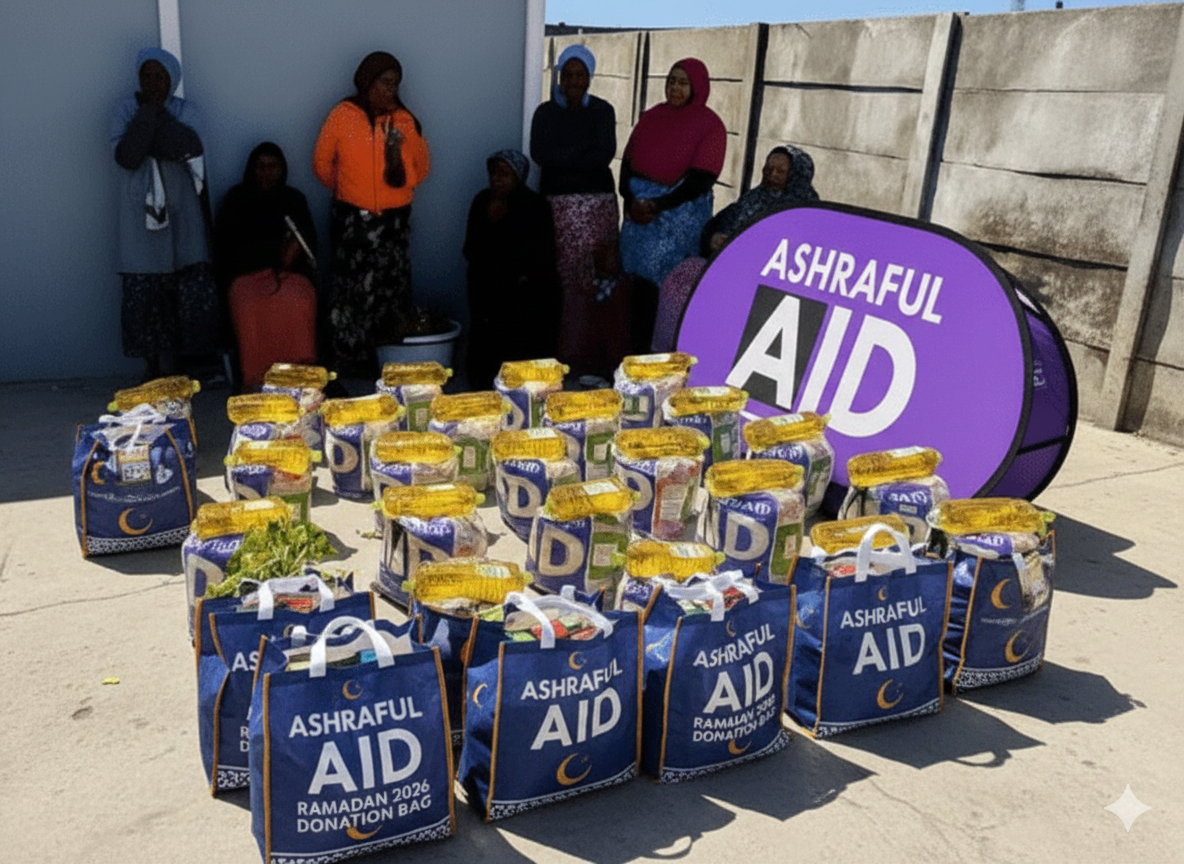
This Ramadan, fulfill the true purpose of fasting by supporting families in need.
Donate today at AshrafulAid
Your charity can provide food parcels, iftar meals, and essential support to those who need it most.
Let your fasting be a means of mercy.
May Allah accept your fasting, your prayers, and your generosity. Ameen.
Make This Ramadan Different
Feed Families
Share Blessings
Develops Gratitude
Give Zakat
Spread Mercy
Fast with purpose. Give with sincerity.
This Ramadan, be someone’s hope at Iftar.