There is a unique sense of gratitude that arises during Ramadan.
As the sun sets, after a day of fasting, and as the first sip of water touches your lips — there is a deep, quiet thankfulness that fills the heart.
It is in those moments of discomfort that we learn to truly appreciate what we have.
Ramadan brings us closer to Allah, but it also brings us closer to the most important virtue we can embody: gratitude.
What is Gratitude in Ramadan?
Gratitude in Ramadan is more than just saying “thank you.” Rather, it is a complete shift in perspective. In essence, it is the deep acknowledgment of Allah’s mercy and blessings, especially during the fast.
Throughout Ramadan, we are reminded daily to thank Allah for His countless gifts both big and small. For example, the ability to fast, the strength to worship, the food we enjoy, and even the ability to give to others these are all blessings that we often overlook. As a result, Ramadan gently reshapes our hearts to notice what truly matters.
Moreover, fasting teaches us to appreciate the simple blessings we usually take for granted, such as:
- Food
- Water
- Family
- Peace of mind
In this way, Ramadan becomes more than a month of abstinence; it becomes a month of awareness. Ultimately, it is a time when our hearts open, and we learn to be more thankful, more compassionate, and more conscious of the blessings surrounding us.
Why Gratitude Matters in Ramadan
Gratitude is at the core of Islamic teachings. The Qur’an reminds us, “If you are grateful, I will surely increase your favor upon you” (Qur’an 14:7). Ramadan teaches us to truly embody this verse, recognizing and appreciating Allah’s mercy in our lives.
1. Fasting Brings Perspective
Fasting in Ramadan puts us in touch with hunger and thirst. It makes us aware of what others experience daily. The discomfort of hunger is a powerful reminder to be grateful for the food we have and the blessings we often take for granted.
2. Gratitude Softens the Heart
When we fast and reflect during Ramadan, we learn to appreciate Allah’s mercy in every aspect of our lives. Gratitude softens the heart, removing pride and making space for humility, compassion, and love.
3. Gratitude Strengthens Faith
Being thankful for the little things builds our connection with Allah. As we express our gratitude in prayer, du’a, and charity, we strengthen our faith and develop a deeper sense of trust in Allah’s plan for us.
4. It Increases Barakah (Blessings)
When we are grateful, Allah promises to increase His blessings. By practicing gratitude during Ramadan, we open the door to greater mercy, both in this world and the Hereafter. It is a key to spiritual growth and success.
How to Cultivate Gratitude in Ramadan
Gratitude is something we must actively cultivate. Here are some ways to embrace gratitude during Ramadan:
- Start your day with gratitude: Before you begin your fast, take a moment to thank Allah for the blessings of health, family, and life.
- Reflect after suhoor: After your pre-dawn meal, pause and reflect on the blessings of food, water, and the ability to fast.
- Make du’a for those who are struggling: Remember those less fortunate during your prayers. Make du’a for their well-being and share what you can.
- Give charity regularly: Whether it’s Sadaqah or Zakat, give consistently in Ramadan. Giving back fosters gratitude, reminding you of Allah’s infinite generosity.
- Express thanks during iftar: As the fast ends, say a heartfelt “Alhamdulillah” (All praise be to Allah). Appreciate the meal, the family, and the chance to break your fast.
- Keep a gratitude journal: Write down the things you’re grateful for each day. This will help you stay grounded and mindful throughout the month.
Thank Allah in your prayers: In your daily prayers, make sure to include gratitude. Thank Allah for His countless blessings and His mercy that fills your life.
Common Mistakes to Avoid in Cultivating Gratitude
While Ramadan is a time for reflection and growth, it’s easy to slip into habits that diminish our sense of gratitude:
- Rushing through meals: Don’t take your iftar or suhoor meals for granted. Savor the food and take a moment to appreciate it.
- Focusing too much on the fast: While fasting is central to Ramadan, it’s important not to forget the greater purpose — to build a closer relationship with Allah and increase gratitude.
- Neglecting those in need: Ramadan calls us to remember those less fortunate. Don’t become so focused on your own fast that you forget the struggles of others.
- Complaining during hardship: Fasting may bring moments of discomfort, but it’s crucial to remain patient and grateful. Complaining will only detract from the spiritual benefits of Ramadan.
Ramadan is a chance for renewal. Indeed, it is an opportunity to cleanse the heart and soul, to realign our priorities, and to strengthen our faith. Above all, it is a time to practice gratitude.
As we fast, pray, and give, let us remember that every moment is a gift from Allah. With each passing day, we are reminded that every drop of water, every bite of food, and every breath we take are all signs of Allah’s mercy. In reflection, even the simplest blessings carry profound meaning.
Therefore, may this Ramadan fill our hearts with gratitude, soften our souls, and bring us closer to the One who gives us everything we need. In the end, let us leave this blessed month with a heart full of thanks and a spirit ready to give back to those in need.
Turn Your Gratitude Into Action
This Ramadan, let your gratitude turn into action.
Donate today at AshrafulAid
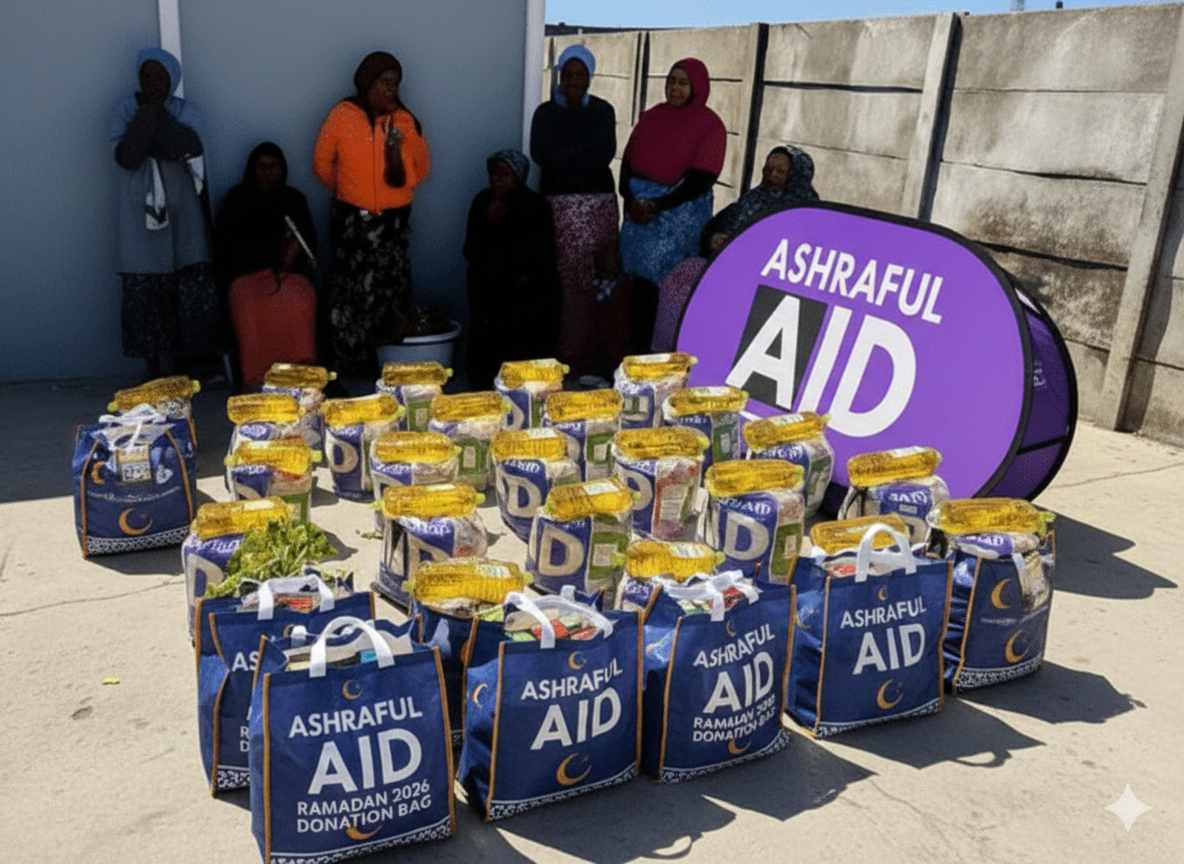
Your charity can provide food parcels, iftar meals, and essential support to those who need it most.
Indeed, let your fasting be a means of mercy.
May Allah accept your fasting, your prayers, and your generosity. Ameen.
Make This Ramadan Different
Feed Families
Share Blessings
Develops Gratitude
Give Zakat
Spread Mercy
This Ramadan, be someone’s hope at Iftar.