Ramadan is a month of spiritual renewal. It’s a time to purify our hearts, strengthen our faith, and seek Allah’s mercy.
But at the core of Ramadan lies something even deeper: forgiveness.
We fast not just from food, but from sin. We pray not only to seek rewards but to cleanse our hearts. And through it all, we are reminded that Ramadan is an opportunity to seek forgiveness from the One who forgives all.
This month is a reminder that no matter how far we’ve strayed, Allah’s mercy is always within reach.
The Importance of Forgiveness in Ramadan
Forgiveness is one of the most significant aspects of Ramadan. It is a time when we are encouraged to turn inward, reflect on our actions, and seek the forgiveness of Allah.
Ramadan isn’t just a period of fasting from food it’s also about fasting from sin and bad habits. We come closer to Allah by purifying ourselves from the mistakes we’ve made and seeking forgiveness for our shortcomings.
The Qur’an beautifully reminds us:
“And seek the forgiveness of Allah. Indeed, Allah is ever Forgiving and Merciful.” (Qur’an 4:106)
Ramadan opens the door to repentance and mercy. It is a month when Allah’s mercy is at its peak, and the opportunity to ask for forgiveness is abundant.
How Ramadan Helps Us Seek Forgiveness
1. Fasting Purifies the Soul
Fasting in Ramadan is not just an external act of abstaining from food and drink. It is a spiritual exercise that cleanses our hearts. When we feel hunger, we reflect on the things we’ve been attached to and recognize how much we need Allah’s guidance and forgiveness.
Through fasting, we become more aware of our shortcomings and the need for Allah’s mercy.
2. Taraweeh and Extra Prayers
The extra prayers performed in Ramadan especially Taraweeh are a special means of seeking forgiveness. The Prophet Muhammad (peace be upon him) said:
“Whoever fasts in Ramadan with faith and seeking reward, his previous sins will be forgiven.” (Sahih al-Bukhari)
Taraweeh provides an opportunity to pray for forgiveness and ask for Allah’s mercy. As we recite the Qur’an and stand before Allah, we are reminded of His attributes the Most Merciful, the Most Forgiving.
3. The Last Ten Nights
The last ten nights of Ramadan are the most powerful. Among them is Laylat al-Qadr, the Night of Decree, when Allah’s mercy is abundant, and the rewards for worship are multiplied. The Prophet ﷺ encouraged us to seek forgiveness during this time.
If there is a time for the heart to soften and for forgiveness to be granted, it is during these sacred nights.
What We Should Do to Seek Forgiveness During Ramadan
To make the most of Ramadan and seek Allah’s forgiveness, we need to approach it with intention and humility. Here are some practical steps to take:
1. Repent Sincerely
True repentance means feeling remorse for past actions, abandoning the sin, and making a firm intention not to return to it. Ramadan is a time for sincere repentance. Ask Allah to forgive you for any past mistakes, no matter how big or small.
2. Make Du’a Frequently
Ramadan is a time when du’a is accepted. Take advantage of every moment to ask Allah for forgiveness during suhoor, after prayers, in your spare time, and especially during the last ten nights.
3. Forgive Others
Forgiveness is a two-way street. Allah will forgive you as you forgive others. Ramadan is the perfect time to reconcile with those who may have wronged you. Let go of grudges and seek peace.
4. Engage in Dhikr
Regular remembrance of Allah (dhikr) helps purify the heart. By saying phrases like “SubhanAllah,” “Alhamdulillah,” and “Astaghfirullah,” you invite Allah’s mercy and forgiveness into your life.
5. Give Charity
Charity purifies wealth and brings forgiveness. The Prophet ﷺ said:
“Charity extinguishes sins just as water extinguishes fire.” (Tirmidhi)
Give regularly during Ramadan, whether it’s Zakat, Sadaqah, or helping those in need. Charity softens the heart and opens the doors to Allah’s forgiveness.
Common Mistakes to Avoid
When seeking forgiveness during Ramadan, it’s important to stay sincere and avoid these common mistakes:
- Delaying repentance: Don’t put off seeking forgiveness, thinking you’ll do it later. Ramadan is a gift; use it wisely.
- Insincerity: Repentance must come from the heart. Don’t seek forgiveness just because it’s Ramadan, but because you genuinely regret your past actions.
- Forgetting others: Forgiveness is not only for our relationship with Allah. Remember to forgive others and seek their forgiveness too.
Ramadan is a chance for a fresh start. It is a chance to remove the layers of sin that have built up over the months and years. It is a time to open your heart to Allah and sincerely ask for His forgiveness.
No matter how many mistakes we’ve made, Allah’s mercy is far greater. He loves to forgive, and Ramadan is the best time to seek His pardon.
The beauty of Ramadan is that it is not just about abstaining from food. It is about turning back to Allah with sincerity, asking for forgiveness, and becoming better in our faith and actions.
May Allah grant us forgiveness, accept our fasting, and purify our hearts during this blessed month of Ramadan. Ameen.
Turn Your Intentions Into Action
This Ramadan, as you seek Allah’s forgiveness, let your actions reflect your intentions.
Donate today at AshrafulAid
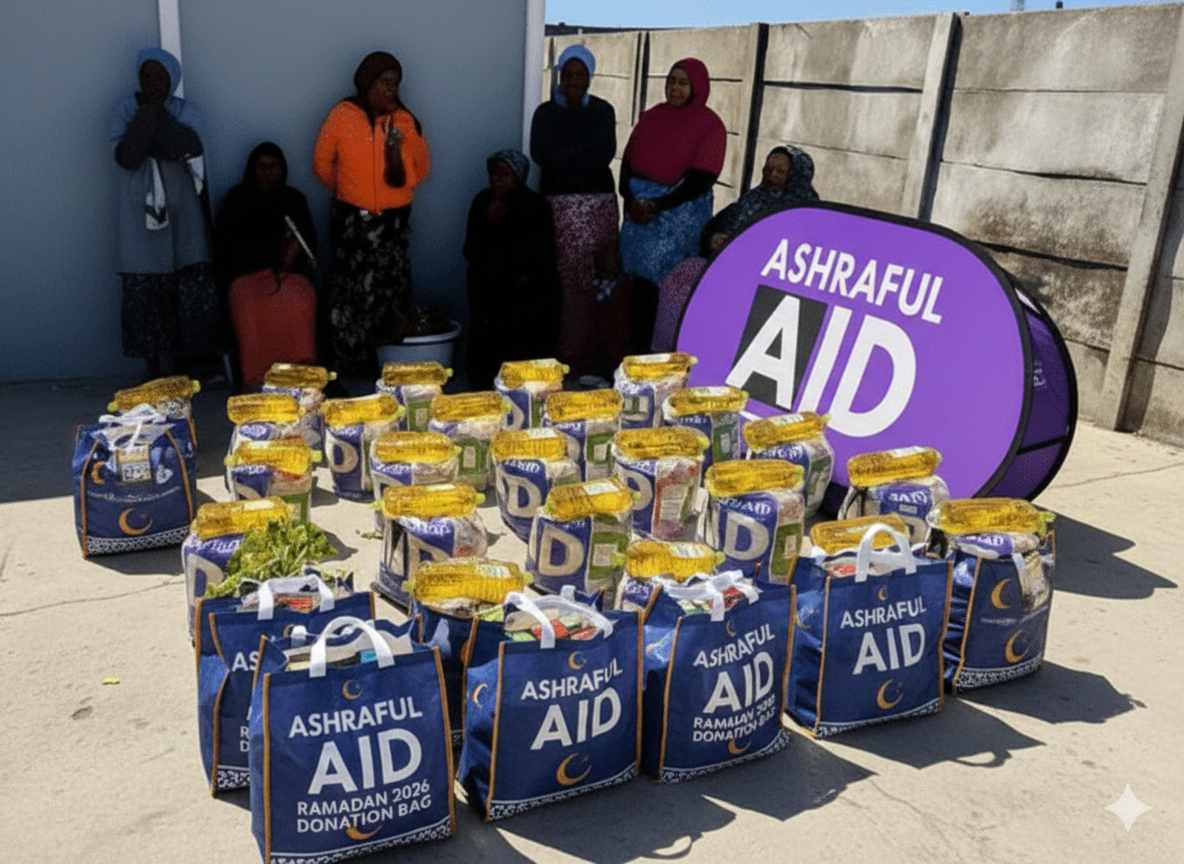
Your charity can provide food parcels, iftar meals, and essential support to those who need it most.
Indeed, let your fasting be a means of mercy, compassion, and hope for others.
May Allah accept your fasting, your prayers, and your generosity. Ameen.
Make This Ramadan Different
Feed Families
Share Blessings
Develops Gratitude
Give Zakat
Spread Mercy
This Ramadan, be someone’s hope at Iftar.