The first ten days of Zil Hajj are among the most sacred days in the Islamic calendar. These days hold immense spiritual significance and provide Muslims with a golden opportunity to engage in acts of worship, reflection, and repentance. The importance of these days is not limited to the performance of the Hajj pilgrimage but extends to all Muslims, whether or not they are physically present in Mecca.
In this blog, we will explore the significance of the first ten days of Zil Hajj, why they are considered the best days of the year, and how Muslims can make the most of these blessed days through worship, charity, and self-reflection.
The Quranic Emphasis on the First Ten Days of Zil Hajj
The first ten days of Zil Hajj hold a special place in the Quran. Allah (SWT) Himself attests to their greatness in Surah Al-Fajr (89:1-3), where He swears by the ten nights:
“By the dawn and by the ten nights.” (Quran 89:1-3)
Although the exact interpretation of these verses has been debated, the majority of scholars agree that these “ten nights” refer to the first ten days of Zil Hajj. The importance of these days is highlighted further by the Prophet Muhammad (PBUH) in several Hadiths, which emphasize the unparalleled rewards and blessings that come with good deeds performed during this time.
In one famous Hadith, the Prophet Muhammad (PBUH) said:
“There are no days more beloved to Allah for which good deeds are more beloved than these ten days.” (Sahih Bukhari)
This statement alone highlights how crucial these days are for Muslims. It is a time to increase worship, engage in acts of kindness, and reflect on one’s faith.
A Time for Increased Worship and Devotion
During the first ten days of Zil Hajj, Muslims are encouraged to engage in extra acts of worship. This is a time to increase recitation of the Quran, perform additional prayers (Nafl prayers), and engage in Dhikr (remembrance of Allah). The importance of these acts is emphasized in the teachings of the Prophet (PBUH), who advised Muslims to make the most of this time by seeking Allah’s mercy and forgiveness.
One of the most recommended acts during this time is the recitation of Takbeer. Muslims are encouraged to say the Takbeer (Allahu Akbar) loudly and frequently during these ten days:
“Allahu Akbar, Allahu Akbar, La ilaha illallah, Allahu Akbar, Allahu Akbar, wa lillahi alhamd.”
This act of declaring Allah’s greatness is a way to draw closer to Allah and seek His blessings.
In addition to the Takbeer, Muslims can engage in other acts of worship such as fasting on specific days, especially on the 9th of Zil Hajj (the Day of Arafah), when fasting is highly recommended. The Prophet Muhammad (PBUH) said about the fast of Arafah:
“Fasting on the Day of Arafah is an expiation for the sins of the past year and the coming year.” (Sahih Muslim)
For those who are not performing Hajj, fasting on this day is a powerful way to earn immense rewards. It is a day of supplication, repentance, and deep reflection on one’s relationship with Allah.
A Time for Charity and Good Deeds
The first ten days of Zil Hajj are also an opportunity for Muslims to engage in acts of charity and kindness. Giving in charity is one of the most beloved deeds to Allah, and during these blessed days, the rewards for acts of generosity are multiplied.
Muslims can donate to various causes, support those in need, and perform small acts of kindness throughout these ten days. Whether it is giving food, clothes, or money to the less fortunate, each act of charity helps purify the soul and strengthens the bond within the community.
This period also serves as a reminder of the importance of fulfilling one’s Zakat (obligatory charity). For Muslims who have not yet paid their Zakat for the year, the first ten days of Zil Hajj provide an ideal time to do so, as the rewards for charity during this time are immense.
Self-Reflection and Repentance
The first ten days of Zil Hajj offer Muslims an opportunity for self-reflection, repentance, and renewal of faith. It is a time to examine one’s actions, seek forgiveness for past mistakes, and strive to improve. The Prophet Muhammad (PBUH) emphasized the importance of repentance during these sacred days, as they are a time when Allah’s mercy is abundant.
Muslims can use this time to reflect on their past actions, make amends where necessary, and resolve to become better individuals. Repentance during the first ten days of Zil Hajj can lead to a clean slate, as the rewards for sincere repentance are greater during this time.
Conclusion: A Sacred Opportunity for Growth
The first ten days of Zil Hajj are a precious and sacred opportunity for spiritual growth, reflection, and worship. These days are a time to strengthen one’s faith, increase good deeds, and engage in acts of charity and kindness. It is a time to repent, seek forgiveness, and renew one’s commitment to Allah.
As we approach these blessed days, let us take full advantage of the opportunity to grow spiritually and draw closer to Allah. Whether through extra prayers, fasting, charity, or self-reflection, every act of worship during these ten days is an investment in our faith and a means of earning Allah’s mercy and rewards.
May Allah accept our efforts, forgive our sins, and grant us the strength to make the most of the first ten days of Zil Hajj. Ameen.
Make Your Qurbani Count This Eid al-Adha
Your sacrifice brings dignity, food, and hope to families in need.
🐐 Goat – Malawi:R1,150
🐐 Goat – Mozambique:R1,150
🐄 Cow Share – South Africa:R1,950
Every Qurbani helps feed families and restore dignity. Give with purpose.
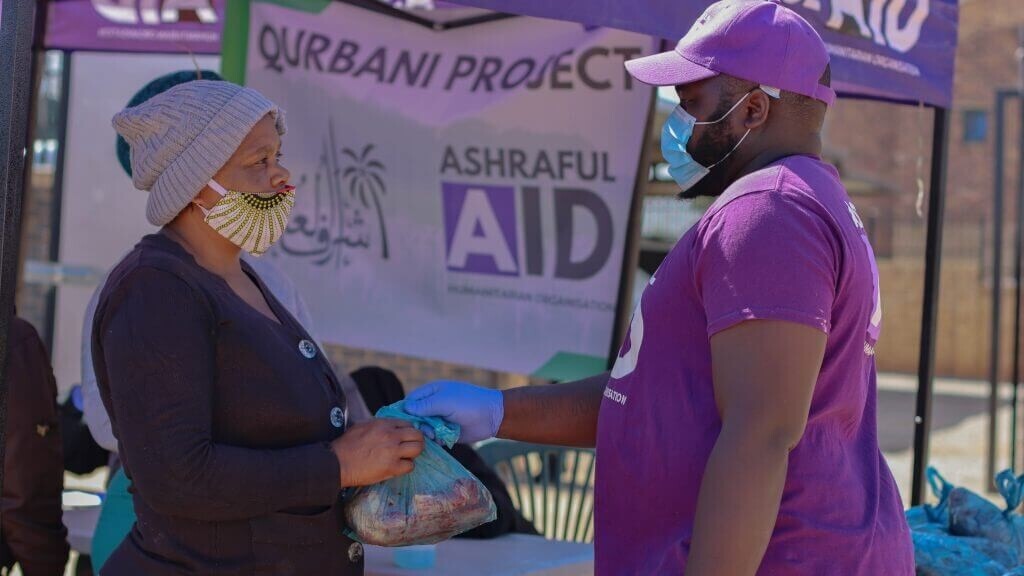
Your Qurbani can provide fresh meat, nourishment, and essential support to families who need it most. By giving, you turn your sacrifice into a source of hope, dignity, and relief for others.
Indeed, let your Qurbani be a reflection of compassion, generosity, and faith in action. In this way, your devotion goes beyond ritual and transforms lives in meaningful ways.
May Allah accept your Qurbani, your intentions, and your generosity. Ameen.
Fulfil Your Qurbani With Impact
Feed the Needy
Share Your Sacrifice
Restore Dignity
Give with Purpose
Spread Compassion
Sacrifice with sincerity. Give with impact.